

Creators have raised concerns about Instagram’s latest artificial intelligence-powered shopping test, in which users are being prompted to buy items displayed within Instagram posts, with Meta’s system finding similar product matches to facilitate shopping in-stream.
Instagram has been developing this option for some time, facilitating in-stream shopping with auto-generated shopping tags that identify the item in a post.
The more recent addition of AI tagging has enhanced this, adding similar product matches that can be displayed when a user taps the “Shop the Look” button on a post.
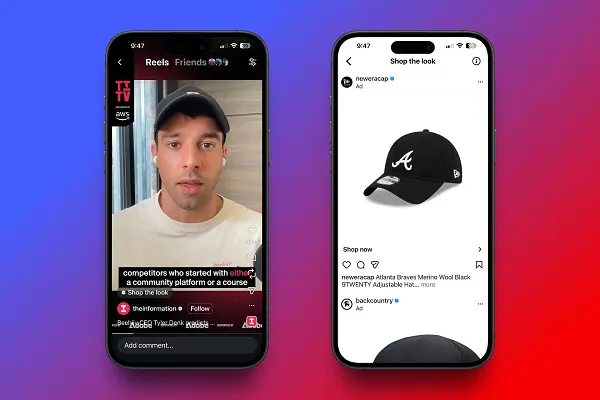
But some influencers have been less than pleased by this new option, which will display matches for products that they don’t endorse. The tagging could also compete with their own brand deals and arrangements.
As reported by Bloomberg, some creators have expressed frustration at this new process, which the influencers claim could erode the trust that they’ve built with their audiences.
The simple solution, then, would be for Instagram to enable manual controls over Shop the Look matches for certain user posts, although whether that’s as simple as it seems is another question.
Instagram is keen to utilize parent company Meta’s evolving AI tools to assist in driving engagement and in expanding in-stream shopping activity via applications that use AI’s matching power to highlight relevant products.
This could be driving sales, which would give Instagram another avenue to boost in-stream shopping. However, there does seemingly need to be some opt-out controls and options to avoid conflicts.
Presumably, that’s what will happen, with Instagram providing more control options for product displays, which could resolve the issue. But it’s another example of Meta seemingly not considering creators and not valuing their perspective in its product development decisions.
Which has been a common refrain among the creator community. Creators regularly report feeling underappreciated by Meta, either through low creator payment options, limited exposure opportunities or lack of acknowledgment.
Add to this the fact that Meta is pumping more and more AI content into its apps, thereby crowding out human content, and it does create a somewhat hostile, or less receptive environment for the human creators who drive audience engagement.
As such, this is another blow for Meta’s reputation on this front. And while it seems like the solution could be relatively simple, it will still exacerbate tensions between creators and the company.